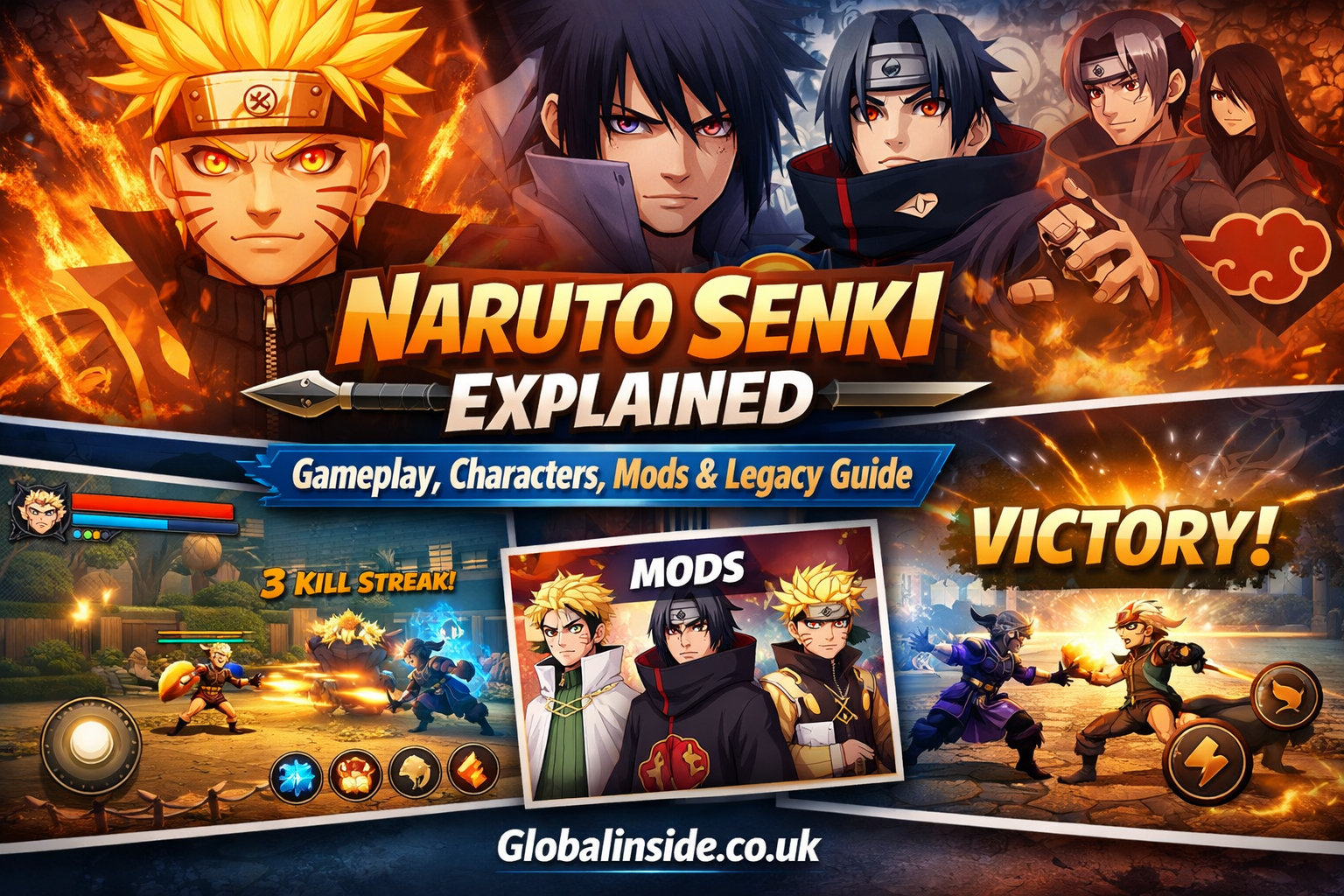
Naruto Senki: The Definitive Guide to a Legendary Fan-Made Naruto Game
Few fan-created games have achieved the cultural reach, longevity, and emotional pull that naruto senki has earned over the years. Built by passionate fans and embraced by a global community, this action-packed fighting game transformed simple 2D mechanics into a deep, endlessly replayable Naruto experience that still resonates today.
This comprehensive guide explores the game from every meaningful angle: its origins, gameplay systems, characters, modding culture, and lasting influence. Whether you are rediscovering it or learning about it for the first time, this article is designed to be the most complete and authoritative resource available.
The Origins and Evolution of the Game
The roots of the game trace back to independent developers within the Naruto fan community who wanted a fast-paced alternative to console fighting titles. Early versions were simple, but they captured the core fantasy of controlling iconic shinobi in explosive battles that felt faithful to the anime.
Over time, community feedback and experimentation shaped the game into a more refined experience. New characters, stages, mechanics, and balance tweaks transformed a modest fan project into a cult classic that spread widely through forums, file-sharing sites, and YouTube gameplay videos.
Core Gameplay Mechanics and Design Philosophy
At its heart, the game emphasizes accessibility without sacrificing depth. Controls are easy to learn, allowing newcomers to jump into combat quickly while still leaving room for advanced techniques such as combo chaining, chakra management, and precise timing.
The design philosophy focuses on recreating the feeling of Naruto battles rather than strict competitive balance. Flashy jutsu, dramatic supers, and screen-filling effects prioritize excitement and fan satisfaction, making each match feel like an episode brought to life.
Character Roster and Playstyle Diversity
One of the strongest appeals lies in its expansive and ever-growing roster. Players can choose from classic characters like Naruto, Sasuke, and Kakashi, alongside villains, supporting shinobi, and alternate forms drawn from different arcs of the series.
Each character is designed with a distinct playstyle that reflects their personality and abilities. Fast rushdown fighters, long-range specialists, and heavy hitters coexist, encouraging experimentation and rewarding players who master multiple characters.
Jutsu, Transformations, and Combat Flow
Combat revolves around the strategic use of jutsu and special abilities that consume chakra. Deciding when to unleash powerful attacks versus conserving resources adds a tactical layer that keeps fights engaging rather than chaotic.
Transformations play a pivotal role in shifting momentum. Whether activating Sage Mode or unlocking Nine-Tails power, these moments feel impactful and mirror the dramatic turning points fans remember from the anime.
Visual Style and Audio Identity
Visually, the game adopts a 2D sprite-based aesthetic that balances simplicity with expressiveness. Character sprites are instantly recognizable, and special effects are intentionally exaggerated to enhance spectacle rather than realism.
Sound design further reinforces immersion. Familiar voice lines, explosive sound cues, and energetic background music combine to evoke nostalgia and emotional connection, even when played on modest hardware.
Single-Player Modes and Replay Value
Beyond versus battles, the game includes modes that encourage solo play and long-term engagement. Survival-style challenges, arcade ladders, and boss encounters offer variety and test player skill progression.
Replay value is driven by experimentation. Trying new characters, discovering hidden interactions, and mastering difficult matchups keeps the experience fresh long after the first playthrough.
Multiplayer Appeal and Community Competition
Local multiplayer has always been a cornerstone of the experience. Sharing a keyboard or controller with friends creates intense, memorable moments that feel closer to couch gaming traditions than online matchmaking.
Informal tournaments and community challenges emerged organically, with players showcasing skill through recorded matches. While not a formal esport, the competitive spirit surrounding the game remains strong.
The Modding Scene and Custom Content
Modding elevated the game from a static release into a living platform. Fans introduced new characters, custom stages, balance patches, and entirely reimagined versions that pushed technical boundaries.
These mods extended the game’s lifespan dramatically. Many players today experience the title primarily through modded editions that reflect years of collective creativity and experimentation.
Popular Versions and Feature Comparison
Different releases introduced varying features, rosters, and mechanics, leading to frequent debate about the “best” version. The table below highlights key distinctions players often consider.
| Version Focus | Character Count | Balance Style | Mod Support | Ideal For |
| Classic Builds | Moderate | Chaotic | Limited | Nostalgia seekers |
| Community Editions | High | Semi-balanced | Extensive | Long-term play |
| Competitive Mods | Curated | Skill-focused | Moderate | Advanced players |
| Experimental Forks | Variable | Unpredictable | High | Mod enthusiasts |
Installation, Platforms, and Accessibility
The game is traditionally played on Windows-based systems and runs smoothly on low-end hardware. Installation is straightforward, typically involving extraction rather than complex setup.
Its accessibility contributed significantly to its spread. Players without powerful gaming PCs could still enjoy fast, responsive gameplay without technical barriers.
Legal and Ethical Considerations
As a fan-made project, the game exists in a legal gray area. It is distributed freely and not monetized, which has historically reduced conflict with rights holders.
Players and creators alike generally respect the original work by avoiding commercial exploitation. This shared understanding has helped preserve the game’s availability over time.
Cultural Impact Within the Naruto Fandom
Few fan games have embedded themselves so deeply into fandom culture. Gameplay clips, character showcases, and mod reviews became staples of Naruto-focused content communities.
The game also served as a creative gateway. Many aspiring developers and artists cite it as an early inspiration that motivated them to learn programming, animation, or game design.
Common Misconceptions About the Game
A frequent misconception is that it is outdated or irrelevant. In reality, ongoing community involvement continues to refresh and reinterpret the experience for new audiences.
Another myth is that it lacks depth. While approachable, advanced play reveals layers of strategy, timing, and matchup knowledge that reward dedicated players.
Why the Game Still Matters Today
In an era dominated by high-budget releases, this game stands as proof that passion-driven projects can endure. Its appeal lies not in polish, but in authenticity and emotional resonance.
As one longtime community member famously said, “This game feels like Naruto, not just a game about Naruto.” That sentiment captures why it continues to be rediscovered.
Conclusion
The lasting success of naruto senki is not accidental. It represents a rare convergence of fandom, creativity, and accessibility that allowed it to transcend its humble origins.
For players, it offers pure enjoyment and nostalgia. For creators, it stands as a reminder that meaningful experiences can emerge outside traditional industry structures.
Frequently Asked Questions
What is naruto senki and why is it so popular?
Naruto senki is a fan-made 2D fighting game inspired by the Naruto anime, beloved for its accessibility, character variety, and faithful combat feel.
Is naruto senki still playable on modern systems?
Yes, naruto senki runs well on modern Windows PCs and does not require high-end hardware or complex installation.
Are there different versions of naruto senki?
There are many versions, including classic builds and community-modified editions that add characters, balance changes, and new mechanics.
Is naruto senki an official Naruto game?
No, naruto senki is a non-commercial fan project created independently by fans of the series.
Can beginners enjoy naruto senki?
Absolutely, naruto senki is easy to learn while still offering depth for experienced players who want to master its systems.
You May Also Read